Mutual Aid House Building

Keen on owning your own home but held back by costs?
You are not alone. Have you thought about reducing costs by working with other families to help with each other’s new home builds?
Here’s an opportunity to indicate your interests in such a shared project, find like-minded families to work with, and actually make it happen.
Hunu Hills Ltd has a number of sections ready for sale and is organizing an opportunity for families to minimize the costs of their home build by helping with each other’s’ builds. Hunu Hills will also facilitate the process to assist interested parties to reach a formal Agreement to proceed.
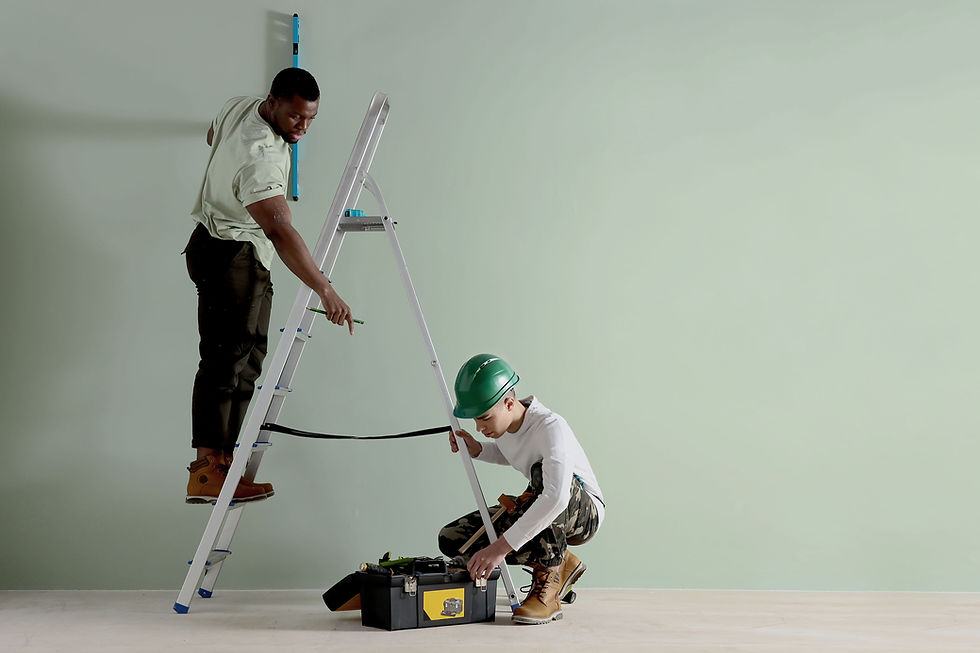
Mutual Aid House Building has a long tradition around the world, including in Aotearoa NZ. Now may be the time to make greater use of this approach to deal with the increased costs of building a home. Reports of savings from mutual aid house building range from 25 to 50% of construction costs. These savings can come from pooling labour and bulk buying of materials. Lower GST costs on labour can also help. Actual savings will depend on design issues, and how well the labour pooling works.
Building a home will require land to build on. Hunu Hills has a variety of sections available or close to completion for you to choose from. Completing your land purchase can occur once you have an Agreement with others to pool your labour and minimize costs.
To make this work, each property owner must be willing to work with building professionals (unless you want a building that does not require consent from local council), as well as commit to provide some labour to build both their own home and the homes of some of their neighbours. A small group of neighbours who make similar commitments will provide labour to help you build your home. This process can substantially reduce building costs, as well as build community, a double benefit.
This option is not for everyone. It will require your willingness to adjust your plans to others' needs and work through some detailed planning and negotiating with others. Problems may arise that require active listening and good faith problem solving to meet everyone’s needs. Unforeseen events may occur that require adjustments by mutual agreement. Realizing the benefits will require flexibility and honest engagement.
Here is a list of issues that interested parties will have to address to reach a formal Agreement:
What kinds of home do you wish to build?
- Are you interested in keeping costs to an absolute minimum and wishing to build space that does not require council consent?
- Are you interested in a kit-set home?
- Are you interested in a custom designed home?
What kind of labour are you prepared to contribute to your own and your neighbour’s home builds?
- Licensed labour (licensed builder, electrician, plumber, etc) Having some skilled tradespeople as part of this scheme would be a great bonus. If such skills are not available from the group of neighbours, the group will have to hire someone to take on these skilled roles.
- Unlicensed labour: e.g. framing, cladding, painting, interior finishing, landscaping, non-structural stuff, organizing volunteers, etc
Are you able to provide the time to make this process succeed?
These processes generally take many hours per week for several weeks or months. Exactly how much time will be required will depend on the home designs and other plans the group will need to make. The more labour you can provide the greater the costs savings should be.
Can you work with other people to reach a formal Agreement regarding who will do what when, and follow through with the commitments required for everyone to benefit from the Agreement?
It may require some compromises and perhaps some difficult discussions. But good intentions can go a long way. Remember, you’ll not only be building your home, but also your community. Hunu Hills is prepared to facilitate this group process, to help you reach an Agreement and begin your home building journey.


Working out an Agreement for everyone to sign will involve agreeing on a budget for your home, the amount of labour you will provide for each other, fair compensation for the licensed professionals involved, and who can fill a variety of critical roles.
Here’s a partial list of roles:
-
someone to develop and manage the work-time-ledger (it's a tracked ledger, even an informal spreadsheet, of hours given and owed per person), the insurance conversation (how are insurance costs to be shared for damage to materials or accidents, etc, and the licensed-trade boundaries (what requires a licenced sign-off, and treat them as seriously as the actual carpentry.
-
Someone to organize and coordinate the volunteer pool - ensuring site readiness each day re tools and materials, etc, ensuring there is a “lead person for the day”; ensuring the post work daily debrief to flag any issues
-
Possibly someone to recruit and manage volunteers from the broader community.
If you think you would like to benefit from such a mutual aid process and would like to explore how it might work for you, please contact hunu.hills@gmail.com